




Secrets and mysteries of embalming
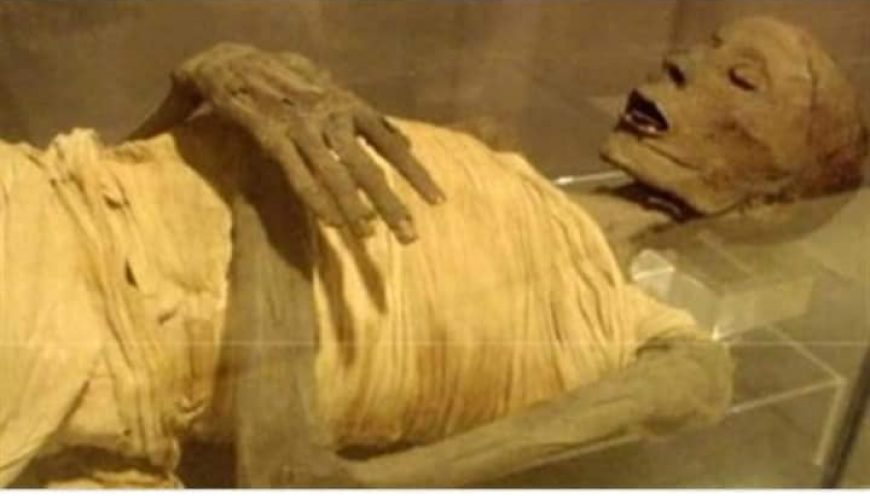
“Mummification” represents the comprehensive treatment of the body, known as “Mummy”, which was distorted in Arabic to “mummy”.
## Life after death:
The ancient Egyptian practised embalming in the context of his belief in life after death, eternal life, not death after it. The ancient Egyptian sought to take all necessary means to keep his body intact and untouched.
Since prehistoric and Egyptian times, he was keen to bury his dead in a squatting position, the same position as the fetus in his mother’s womb, believing that just as he started his life as a fetus, he had to be buried in the same position to be resurrected in the other world.
That is why he began to take care of the cemetery, which began in a pit, which he developed over many years, and then developed into a terrace, so a terrace is listed, a pyramid, and finally to a cemetery engraved in the rock.
Then he showed great interest in the body, wrapped it with mats, and put it in a coffin from the sticks of plants, then the process of preserving the body developed until it reached mummification, and the coffins became made of wood or formed from stones. The tombs were filled with funerary furniture and everyday tools and food and drink offerings for use by the deceased when he was resurrected in the afterlife.
## Description of the tombs of the ancients:
The walls of the tombs are decorated with scenes that express the activities of the deceased in his world, and others related to religious beliefs, worship and burial, so since the early days of ancient Egyptian history, the Egyptian took all possible measures, including protecting the cemetery from theft, to keep the body intact so that the soul that separated from it after death could You come back, and get to know him when he is healthy, to come to life and enjoy eternity.
The fortified cemetery, the tight coffin, statues and scenery, texts recorded on the cemetery’s walls, funeral furniture, and all means of protection, insurance, and dry soil are all matters that help preserve the body. Still, the direct interaction with the body itself remains the most important.
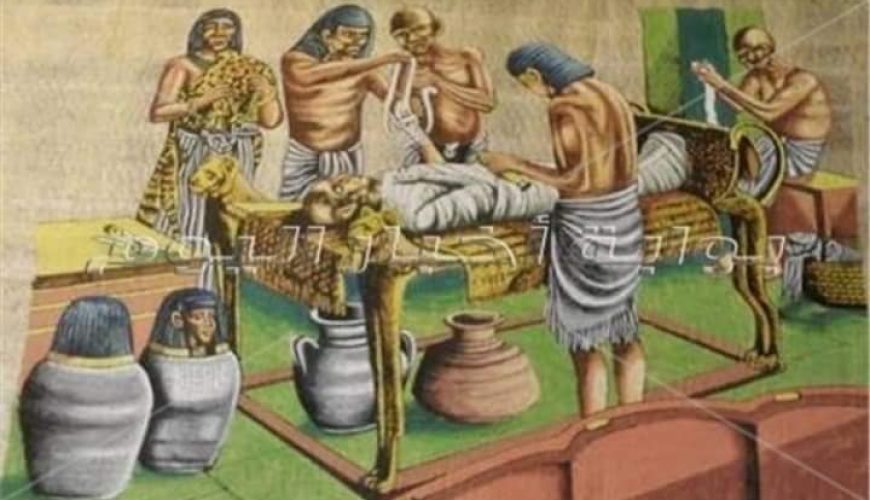
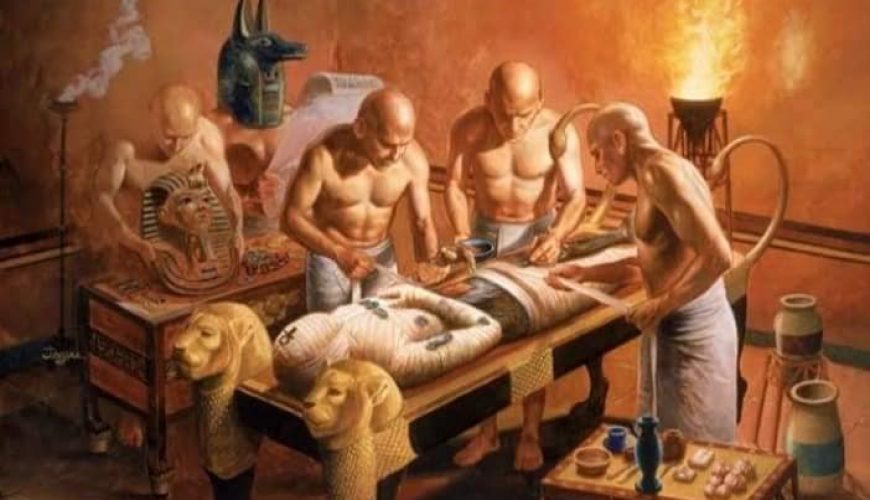
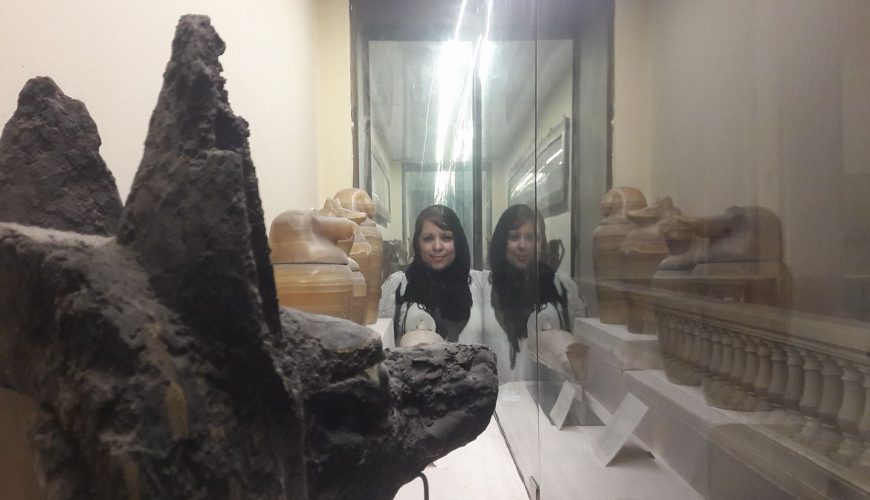
Where he was performing thirteen operations between cleaning and filtering what is inside the skull by opening the nose with a sharp object and making an opening on the left side of the abdomen between 8-12 cm and extracting the intestine, stomach and lung, embalming them and putting them in what are called the four canopic vessels and leaving the kidneys and heart in place because it is he who Witness the owner and put a scarab amulet in a green color over it and write religious texts on it then fill the abdomen with linen wraps and some aromatic substances, bitter cinnamon and onions and put a squeak of linen with natron salt to absorb water and the body remains between 40-70 days until it is completely dry and then wrapped with linen wraps up For tens of meters with different amulets, then writing some supplications on linen tapes and putting a mask over the face of gold or colored hard linen (cartonnage), then burying it, and there were three methods of embalming both according to the price and social class.
Mummification steps and secrets of the dead:
And the first thing was its ritual opening of the mouth, which begins after the mummification period begins after death and the beginning of the drying and embalming process. Some rituals occur during mummification and cleansing, and another in the burial chamber or mummy room, and another is performed on statues of the statue of the soul. There are the same rituals held in temples.
Then a very complex ritual is performed that includes disinfection, evaporation, wiping with oil and hymns, as well as touching the various parts of the mummy with multiple tools and displaying linen strips on it and wrapping them to restore the senses from the mouth, eyes, ears, nose and other parts of the body its vital capacity in the other world as you were in the world of life.
Mummification rituals:
Then several rituals begin by pouring pure water, Nile water and water that contains the natron salt from a special container to purify the deceased and burn incense with another special tool. On Thor and presenting his heart and its parts as offerings to the deceased with the front foot, then the feast of the deceased is held for the family, and the present and the pottery is broken in front of the cemetery in the last farewell and leaves the deceased to make his own and final journey in the realm of the dead on his way to the hall of the double truth and reckoning.
(American Otto Shaden) discovered a cemetery in front of Tutankhamun’s Cemetery No. 63. She was using a mummification workshop, in which several coffins and pots were found containing many embalming materials and flower bouquets, and despite the finding of many embalming materials and the existence of a complete museum of embalming in Luxor and some try to imitate that except The embalming of ancient Egypt will remain a mystery of our civilization that has dazzled and still dazzles the world.
How to embalming the ancient Egyptians,?
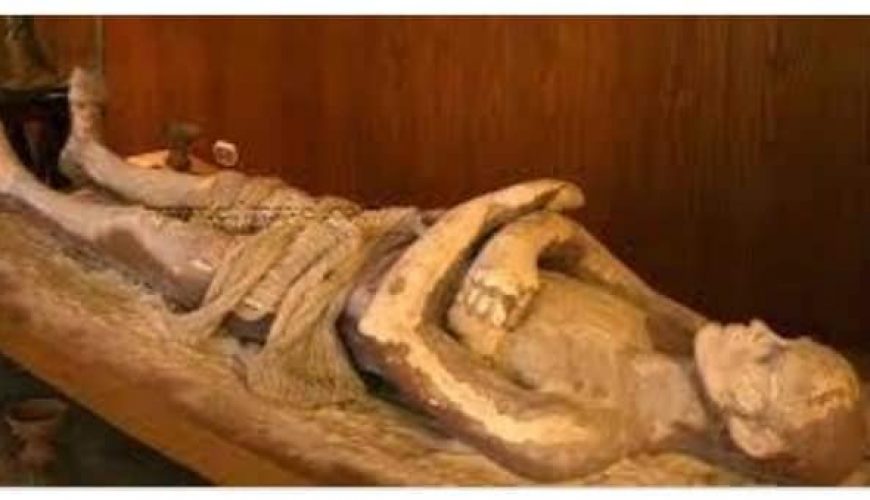
Dry the body by placing it in the dry nitrogen salt to extract every water atom therein, extract the fat, and completely dry the tissue. Coating the corpse with liquid to block all pores of the skin and to be moisture-proof and expelling microorganisms and insects in various conditions even if the corpse was placed in water or left
It is the most important material used
Mummification ??
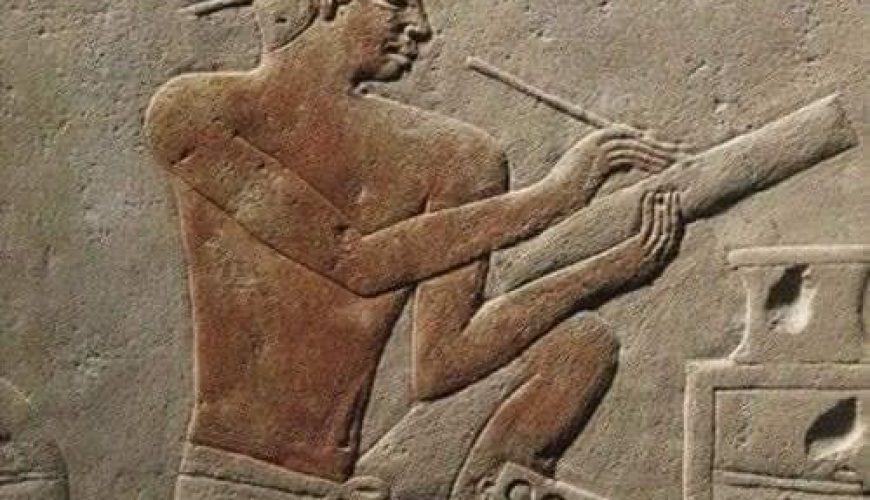
Of a brush made of palm fronds, Brunei scissors, tweezers, two hand-crafted bronze hands, a bronze needle and a bronze chisel, dried out, a bronze batule and a bronze spoon, two bars.
The components of embalming consist of the following: pine and juniper, fragrant fat, and target tamari which is a natural liquid extracted from the tree bark, a mixture of falsity and resinousness, an entity spool filled with salt of natron, as well as natron salt, substances with a pleasant and aromatic smell, myrrh and Kander, and means of extract From mastic tree, onions, peel, sawdust, and beeswax. The oils consist of rice and castor oil, turbine oil, ox fat, and dates wine.
The embalming came because of the ancient Egyptians because the ancient Egyptian considered embalming a secret that he inherited only for his children, so they did not write it down.
Among these components were:
(Quicklime) was used as a method for drying objects.
– (Al-Natron) is a salt compound that the ancient Egyptians used a lot, and it was mentioned in many of their texts and papyri. They extracted it from the Wadi Al-Natron, and this substance contains chemically and in varying proportions: carbonate, sodium bicarbonate, sodium chloride, sodium sulfate, water, and insoluble materials.
– (salt or sodium chloride)
Preparing salted preserved fish and its use in this case as a preservative and dried agent. It is known that salt was not used as it was in embalming before the Coptic era, and all traces that could be tested in the mummies of sodium chlorine came from the natron.

Comment (0)